
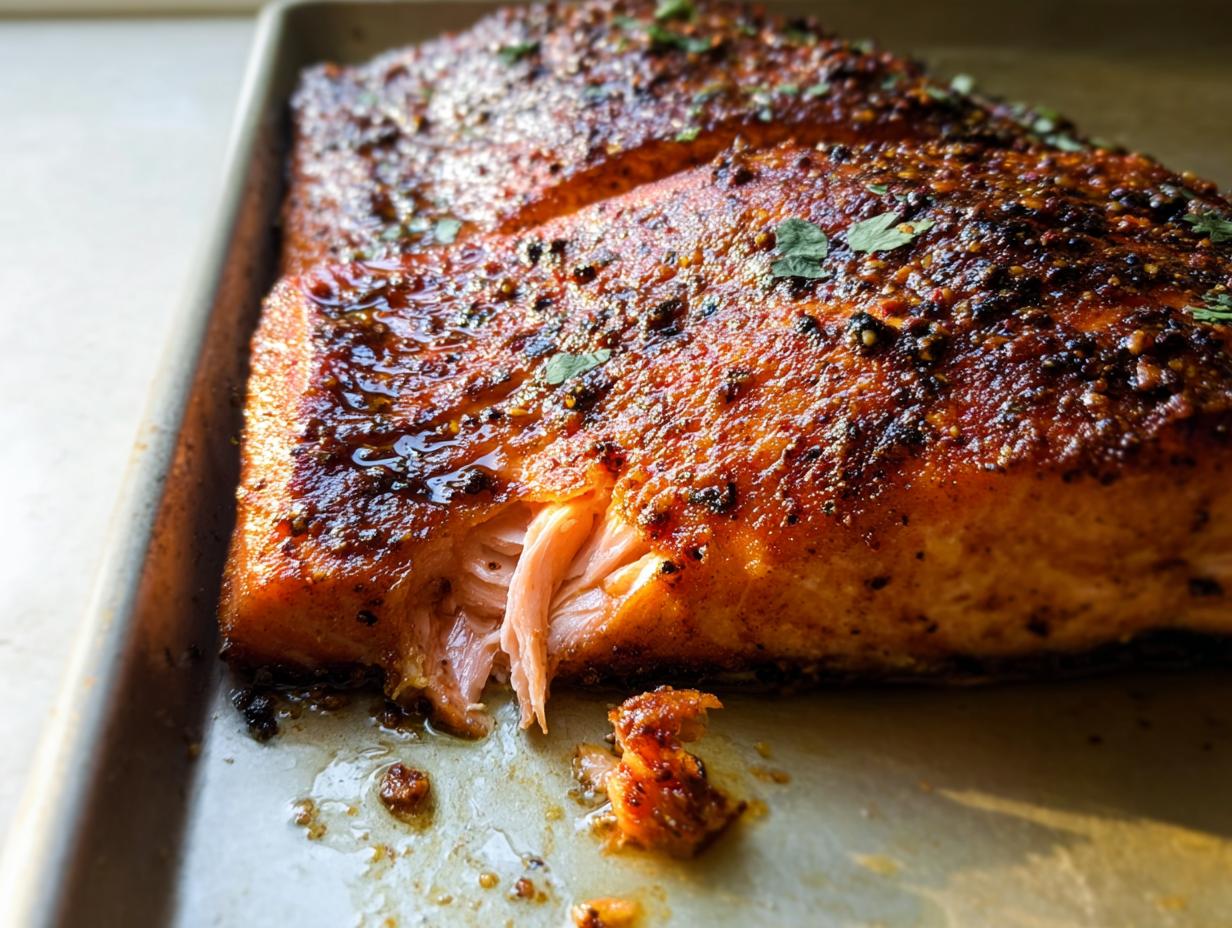
You know that feeling? You’re craving something delicious, something that tastes like it came straight from your favorite fancy restaurant, but you’re stuck in your kitchen. I’ve totally been there! For the longest time, I struggled to get my salmon just right – flaky, flavorful, but never quite *professional*. Well, guess what? After a lot of experimenting and a few kitchen adventures, I’ve cracked the code. This year, let’s learn **how to make salmon recipes like a pro (2025)** and transform your weeknight dinners into something truly special.
Mastering the Art: How to Make Salmon Recipes Like a Pro (2025)
Alright, let’s dive into the nitty-gritty of making salmon that tastes like it came from a high-end spot. It’s not magic, I promise! It’s all about using the right ingredients and a few key techniques. Think of this as your secret weapon for impressing everyone, including yourself. This recipe here is my go-to for a reason; it’s simple but oh-so-effective. We’re going to take that beautiful salmon fillet and elevate it with a killer spice rub and perfect roasting. Trust me, once you get this down, you’ll be wondering why you ever settled for anything less. This whole process really shows you how to make salmon recipes like a pro (2025). We’re aiming for that perfectly flaky texture.
Essential Ingredients for Pro Salmon
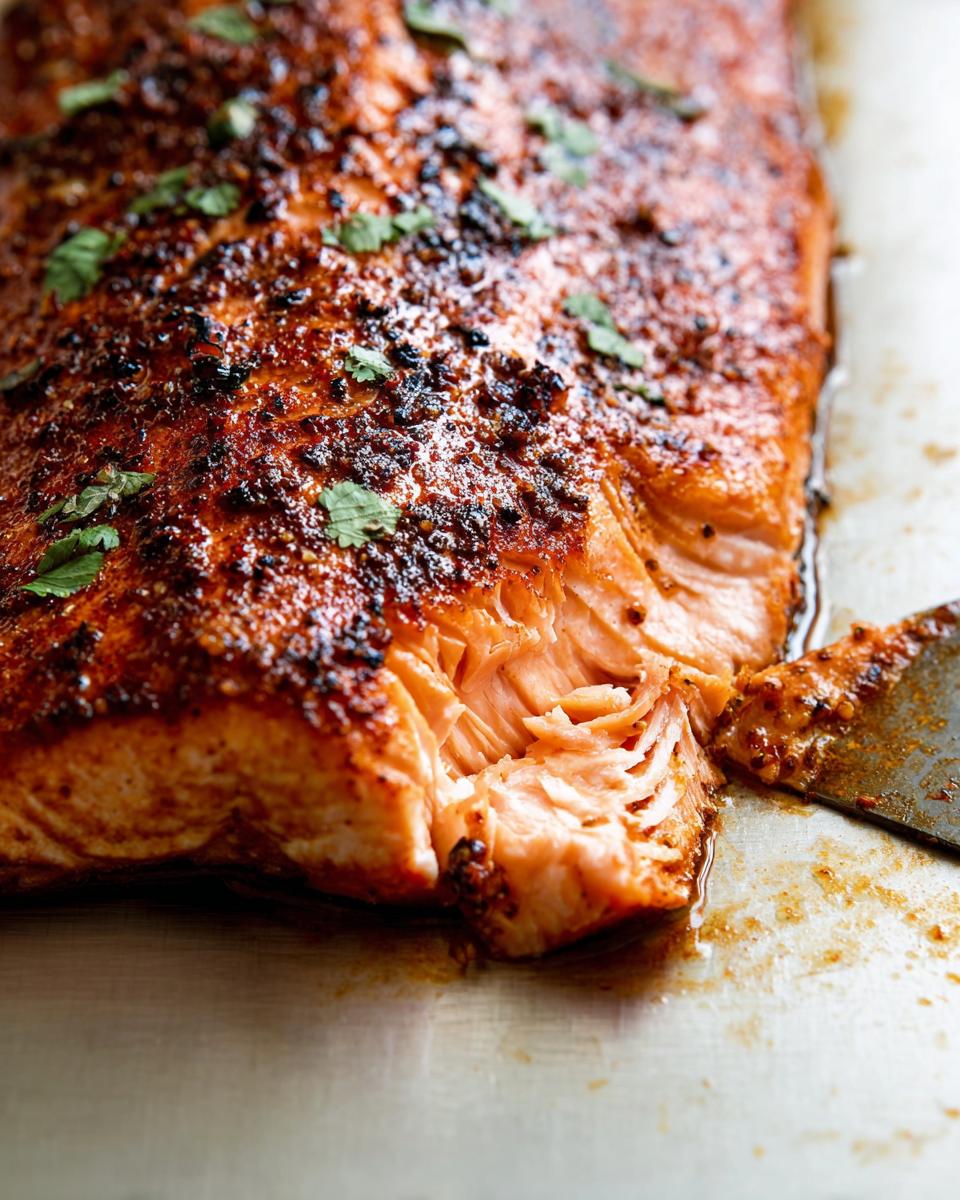
Okay, let’s talk about what makes this salmon sing. First off, you need a good quality salmon fillet, about two pounds is usually perfect for four people. Always try to get one with the skin on – it adds flavor and helps keep the fish moist while it cooks. Now for the flavor bomb! We’re using a simple but incredible spice blend: 1 tablespoon of packed brown sugar for a hint of sweetness and caramelization, 1.5 teaspoons of kosher salt to really bring out the flavor, another 1.5 teaspoons of sweet paprika for that gorgeous color and a mild, smoky note, 1.5 teaspoons of garlic powder because, well, garlic makes everything better, and finally, a half teaspoon of freshly cracked black pepper for a little kick. Oh, and don’t forget 1 tablespoon of good extra-virgin olive oil to help everything meld together and get a nice crust. Using quality ingredients really makes a difference!
Step-by-Step Guide: How to Make Salmon Recipes Like a Pro (2025)
Ready to cook? It’s easier than you think! First things first, get that oven preheating to 400°F (200°C). While it’s heating up, line a baking sheet with parchment paper. This is your best friend for easy cleanup – trust me on this one!
- Mix Your Magic Rub: Grab a small bowl and toss in your brown sugar, kosher salt, sweet paprika, garlic powder, and black pepper. Give it a good stir until it’s all combined into a beautiful, reddish-brown spice mix. Smell that? Amazing, right? This is what’s going to give our salmon that pro flavor.
- Prep Your Salmon: Take your salmon fillet and pat it *really* dry with some paper towels. This is a crucial step, especially if you want to get that skin nice and crispy later. Place the salmon, skin-side down, right onto your prepared baking sheet.
- Oil It Up: Drizzle the extra-virgin olive oil all over the top of the salmon fillet. Use a brush or just your hands to spread it around evenly. This helps the spice rub stick and adds a little extra richness.
- Season Generously: Now, sprinkle that fantastic spice mixture evenly over the oiled salmon. Make sure you get it all over the top. You want every bite to be packed with flavor!
- Roast to Perfection: Slide that baking sheet into your preheated oven. Roast it for about 12 to 15 minutes. The exact time depends on how thick your fillet is, so keep an eye on it. You’re looking for it to be cooked through and to flake easily when you poke it with a fork. This is the moment you know you’ve nailed how to make salmon recipes like a pro (2025).
- Serve it Up! Once it’s perfectly flaky, carefully take it out of the oven. Serve it immediately while it’s warm and beautiful, maybe with some lovely seasonal veggie sides – more on that later!
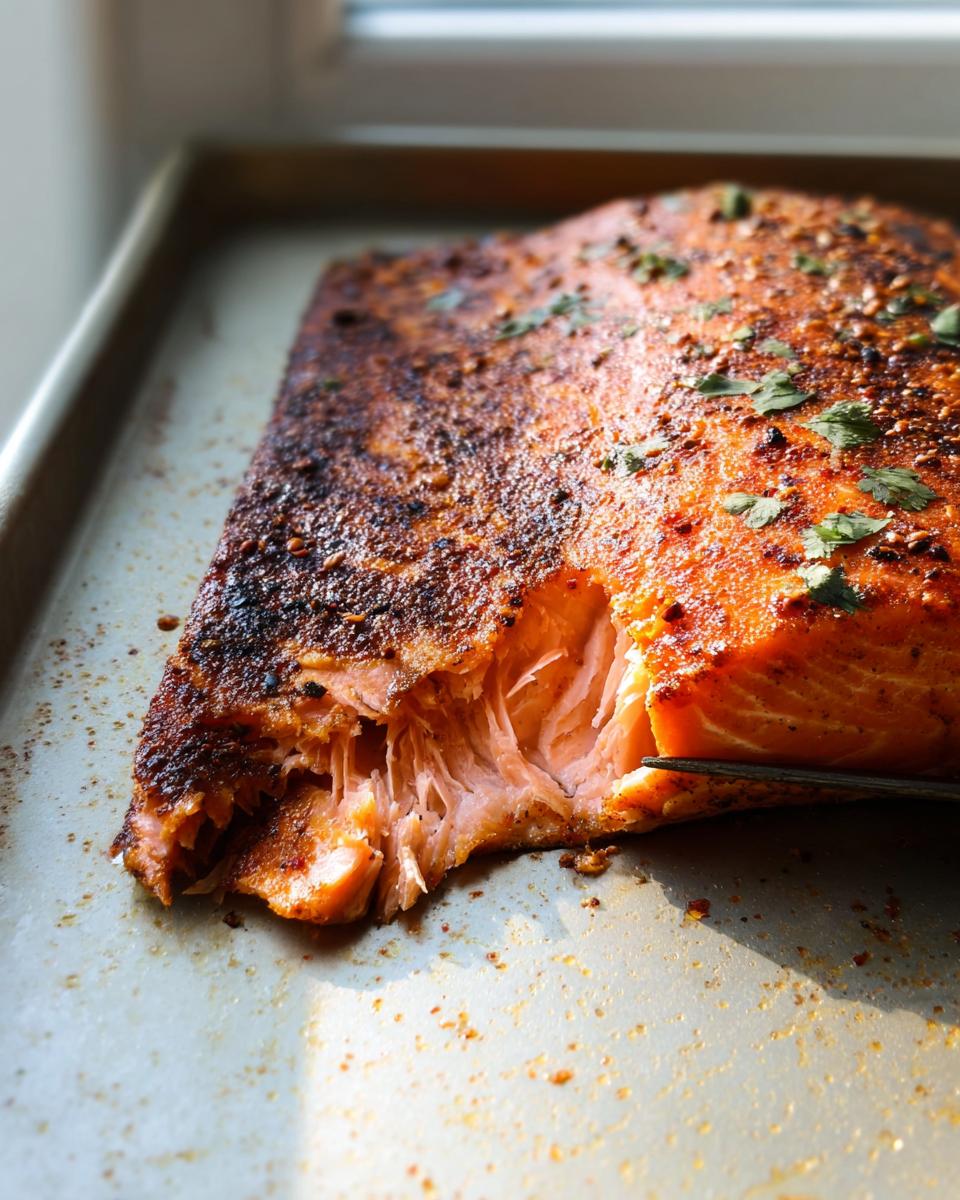
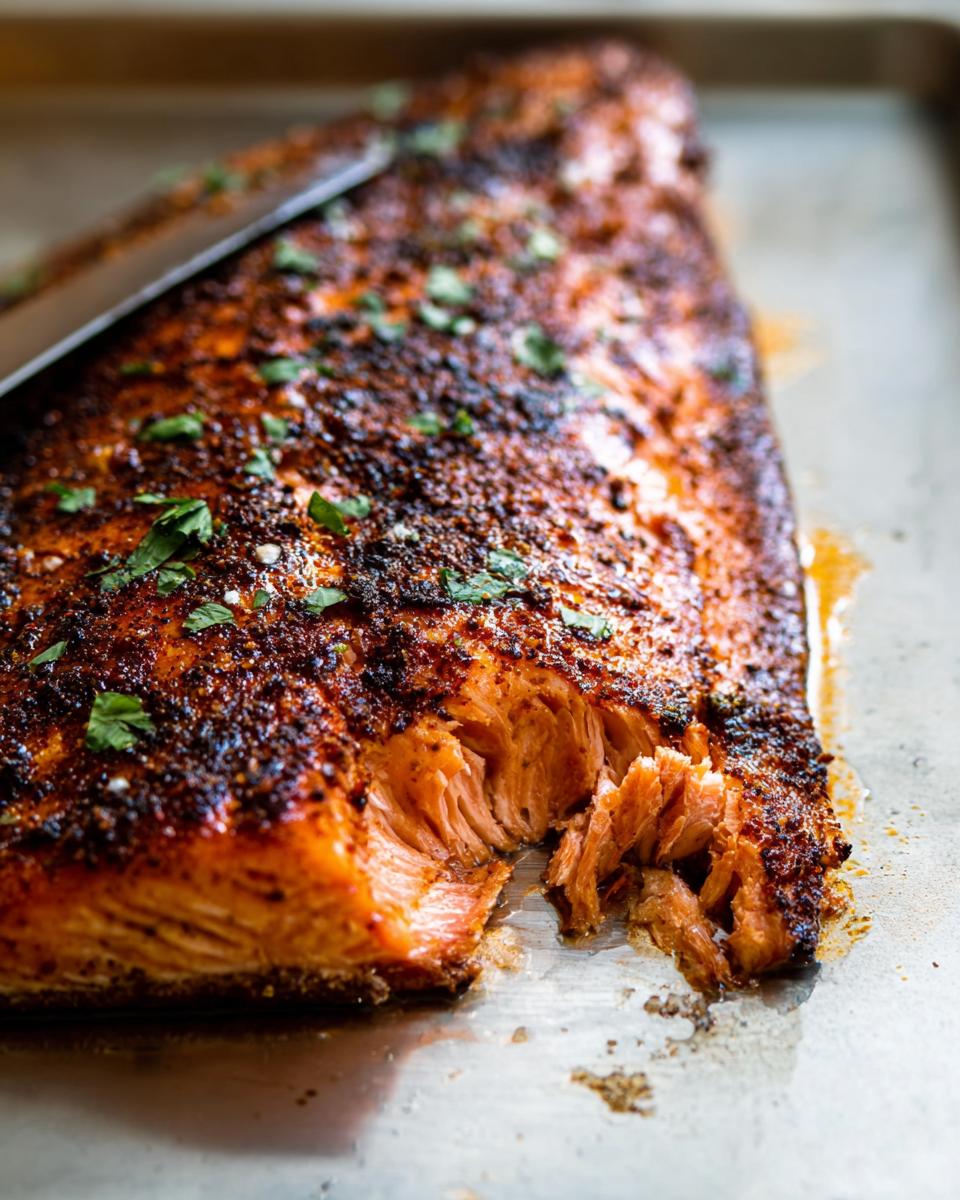
This method truly delivers that restaurant-quality experience right at home. You can always check out other great baked salmon recipes, like this one, for more inspiration too!
Pro Tips for Perfect Salmon
Okay, so you’ve got the basic recipe down, but how do you take that salmon from just good to *absolutely incredible*? It’s all in the little details, the pro touches that make all the difference. I’ve learned over the years that paying attention to things like the skin and precisely *how* cooked it is can really elevate the whole dish. It’s those extra steps that make you feel like you’re really cooking like a chef, not just following a recipe. For instance, I always try to look at other amazing tips, like the ones you can find here, to keep my cooking skills sharp!
Achieving Crispy Skin
Want that super satisfying crunch with every bite? The secret is all in getting the skin *really* dry before it hits the heat. Pat it down like you mean it with paper towels! Also, that little note in the recipe about broiling for the last minute or two? That’s gold! Just watch it like a hawk – it goes from perfectly crisp to burnt *super* fast. It’s a risky move, but man, is it worth it when you nail it!
Doneness Tests for Salmon
Everyone says “it flakes easily,” right? But let’s get a bit more precise. Beyond the fork test, look for the salmon to turn opaque all the way through. If you’ve got a thermometer, aiming for an internal temperature of around 125-130°F (52-54°C) for medium is usually spot-on. It’ll continue to cook a bit as it rests, too. You want it moist and tender, not dry and chalky. A good visual cue is seeing the little white albumin start to push out of the flesh – that means it’s *just* about done cooking.
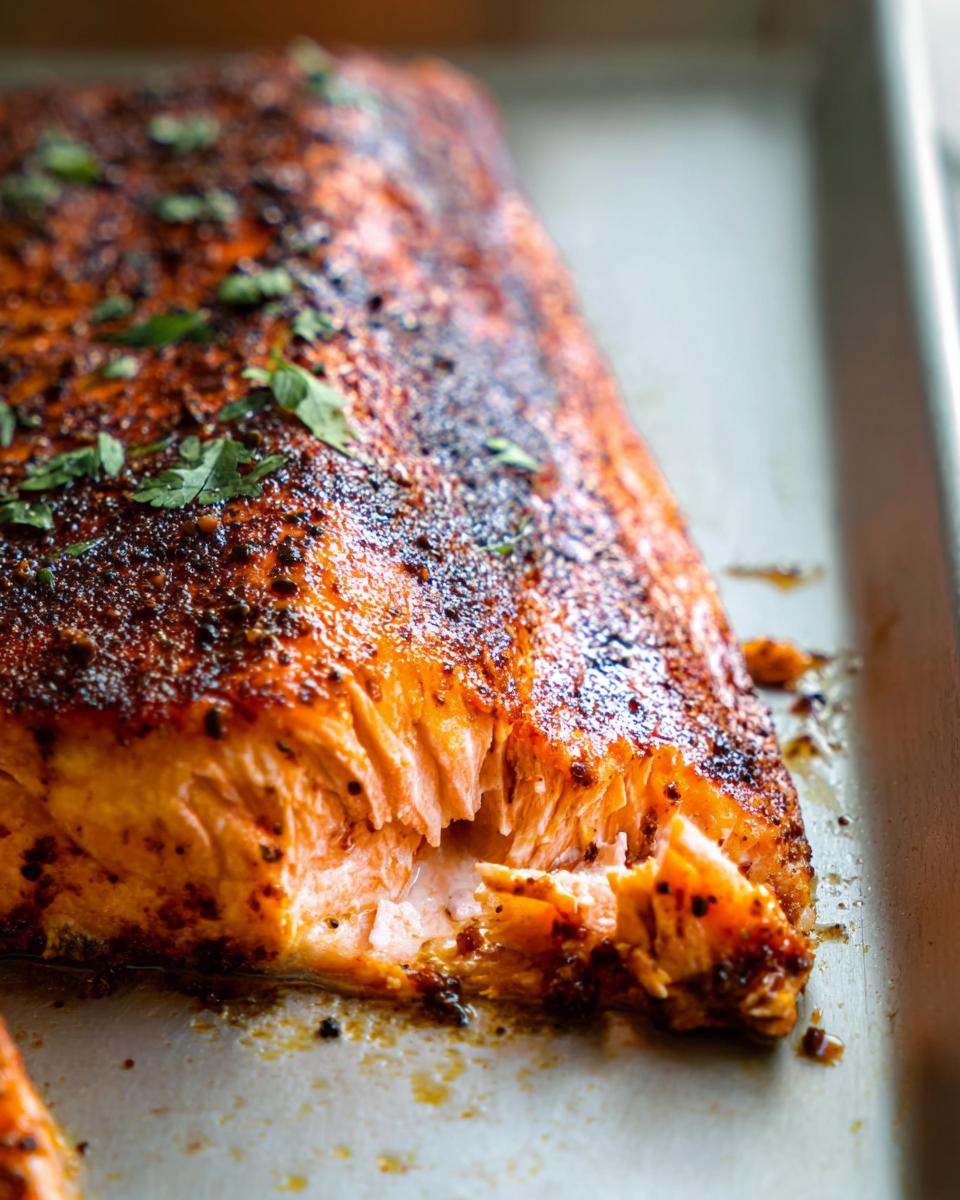
Elevate Your Plate: Serving and Pairing
So, you’ve got this gorgeous, perfectly cooked salmon. Now what? Making it feel like a full, fancy meal is all about what you put *next* to it. We want a plate that looks as good as it tastes, right? It’s not just about the main event; it’s the whole ensemble! Think about how a chef plates a dish – it’s thoughtful and beautiful. You can totally do that at home! For more ideas on creating balanced meals, check out these amazing recipes.
Seasonal Veggie Sides
When it comes to pairing with this amazing salmon, nothing beats fresh, seasonal veggie sides. In the spring, I love pairing it with asparagus or snap peas. When summer rolls around, grilled corn or a vibrant tomato salad is fantastic. And in the fall and winter, roasted root vegetables like carrots and Brussels sprouts bring such a cozy, earthy flavor that just sings with the salmon. Aim for colors that pop against the pink of the fish!
Frequently Asked Questions About How to Make Salmon Recipes Like a Pro (2025)
Got questions about whipping up salmon like a pro? I totally get it! It’s one of those things that seems simple, but there are little tricks that make a world of difference. Let’s tackle some common ones so you can feel super confident next time you make this dish. For more tips or to reach out, you can always check out this contact page.
What temperature is best for roasted salmon?
For that perfect roast texture, 400°F (200°C) is really the sweet spot, just like in the recipe! It’s hot enough to cook the salmon quickly and get a nice sear, but not so hot that it burns before it’s cooked through. You could go a little lower, maybe 375°F (190°C), but it’ll take longer.
How do I know if my salmon is cooked through?
Besides the classic fork test where it flakes easily, look for the salmon to turn a nice opaque pink color all the way through. If you have a thermometer, aim for an internal temperature of around 125-130°F (52-54°C) for that perfect, moist medium-rare. It will continue to cook a little after you take it out, so don’t overdo it!
Can I use a different type of fish?
Absolutely! While this recipe is fantastic for salmon, you can totally try it with other firm, flaky fish like trout, steelhead, or even cod. Just keep an eye on the cooking time, as thicker or thinner fillets (of any fish!) will need a little adjustment. The spice rub is pretty universal!
Nutritional Information
Just a heads-up, these numbers are approximate since everyone’s ingredients and exact portion sizes can vary a bit. This recipe, when divided into four servings, generally comes out to about 300-350 calories, around 30-35g of protein, 15-20g of fat (mostly healthy stuff!), and just a few grams of carbs. Pretty great for a delicious meal, right?
Share Your Pro Salmon Creations!
Whew, that’s it! You’ve now got the secrets to making salmon like a total pro. I can’t WAIT to hear how yours turns out! Did you try it with asparagus or maybe roasted Brussels sprouts? Drop a comment below and let me know your favorite part, or even better, share a photo on social media and tag me! Seeing your culinary triumphs is seriously the best part of sharing these recipes. For more home cooking inspiration, check out my homepage!
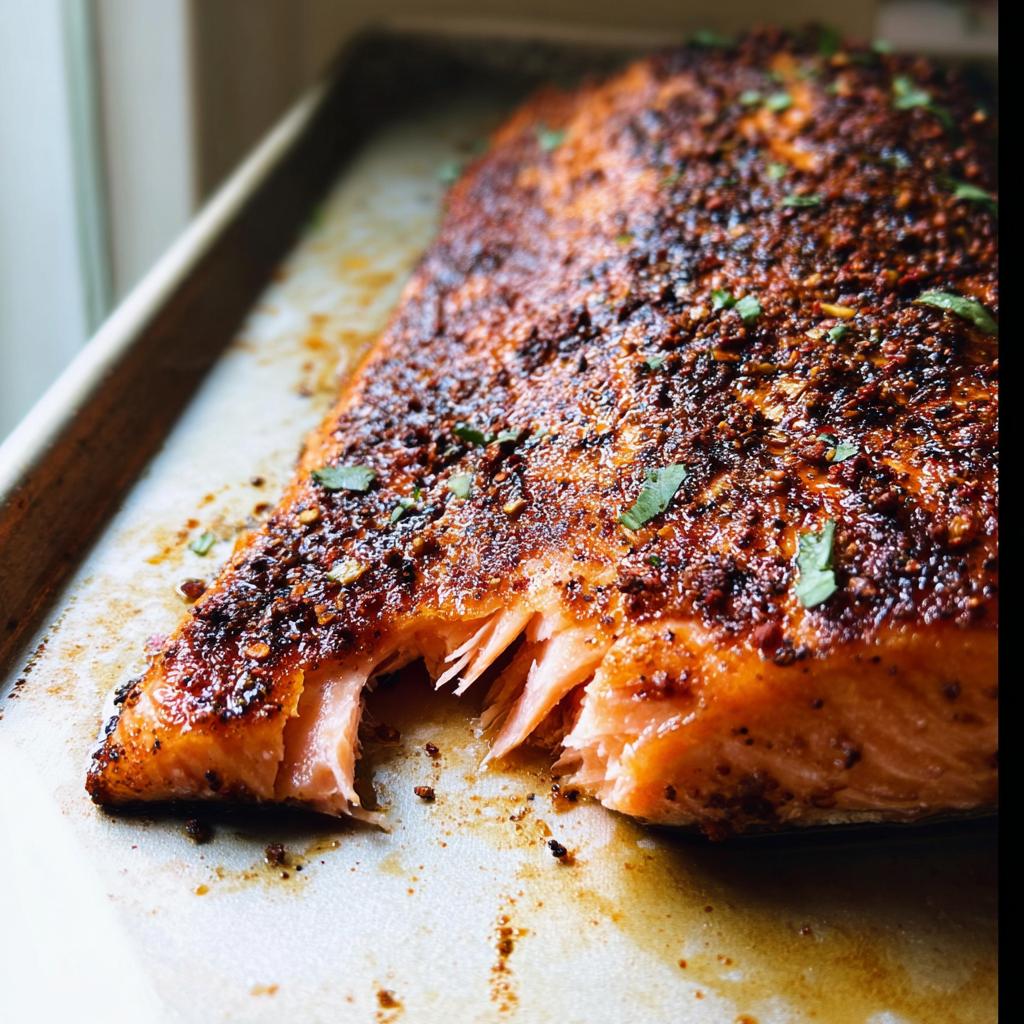
Pro Salmon Recipe
Ingredients
Equipment
Method
- Preheat your oven to 400°F (200°C). Line a baking sheet with parchment paper.
- In a small bowl, combine the brown sugar, kosher salt, sweet paprika, garlic powder, and black pepper. Mix well.
- Pat the salmon fillet dry with paper towels. Place the salmon, skin-side down, on the prepared baking sheet.
- Brush the salmon evenly with the extra-virgin olive oil.
- Sprinkle the spice mixture evenly over the top of the salmon.
- Roast the salmon in the preheated oven for 12-15 minutes, or until it is cooked through and flakes easily with a fork. Cooking time will vary depending on the thickness of the fillet.
- Serve immediately with your favorite seasonal veggie sides.
Notes
Tried this recipe?
Let us know how it was!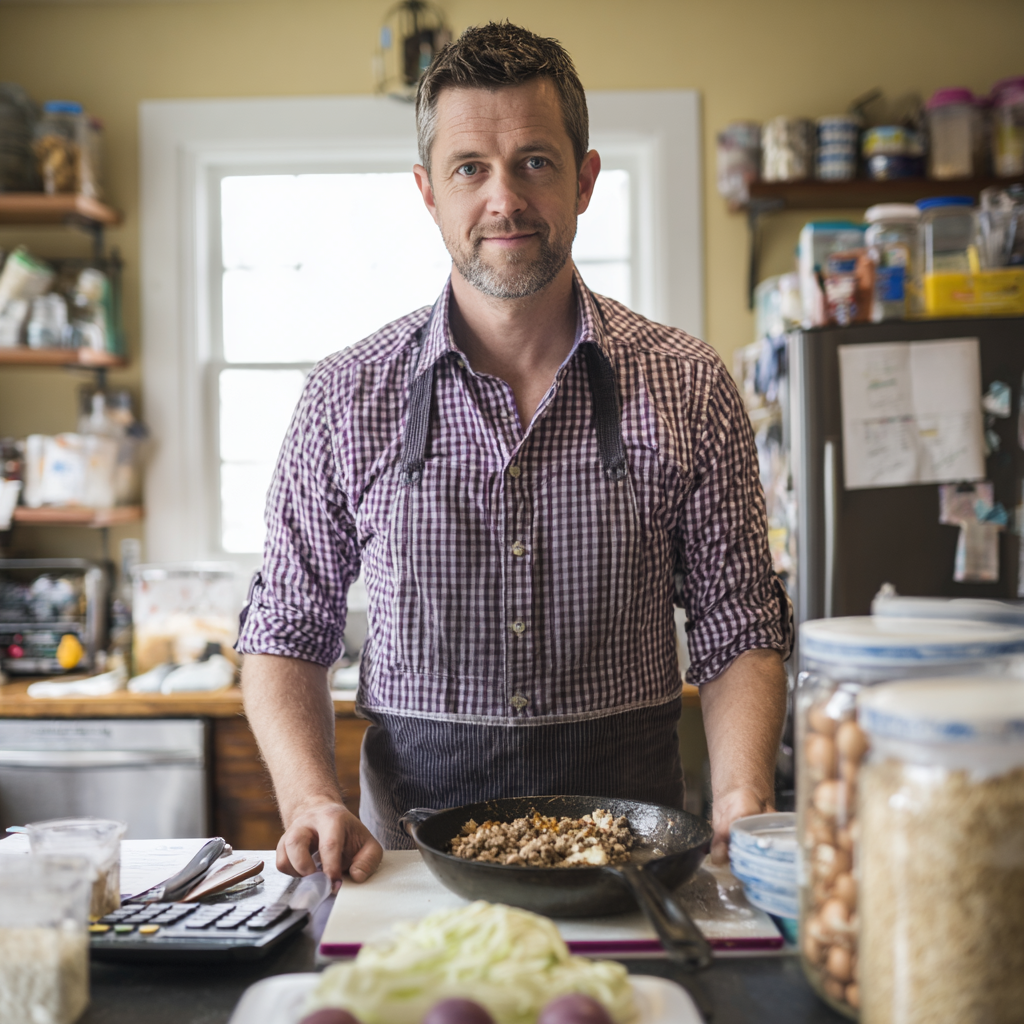
James Richardson – Certified Budget Nutrition Economist
My expertise in affordable low-carb eating was born from necessity during graduate school, when ramen noodles threatened to derail both my metabolism and my economics dissertation. Later, feeding a family of five on a teacher’s salary while my wife completed nursing school taught me that eating well doesn’t require a trust fund.
With my MBA in consumer behavior analytics, I treat grocery budgets like investment portfolios. My breakthrough “Dollar-Per-Day Keto” challenge proved sustainable low-carb eating could be achieved for under $30 weekly per person through strategic bulk purchasing and what I call “ingredient arbitrage” – buying versatile basics when they’re cheapest.
I’ve developed over 200 budget-optimized recipes with real-time pricing calculations that adjust based on regional grocery data. Unlike lifestyle bloggers who assume unlimited budgets, my meal plans work with food stamp restrictions, dollar store ingredients, and the reality that consistent access to “right” foods often determines dietary success.
My background as a budget coordinator for a regional food bank taught me how economic constraints intersect with nutritional needs. When I’m not playing competitive chess or collecting vintage calculators, I’m proving that nutrition becomes a luxury only when you approach it backwards – optimize for value instead of convenience, and eating well becomes the most economical choice.