

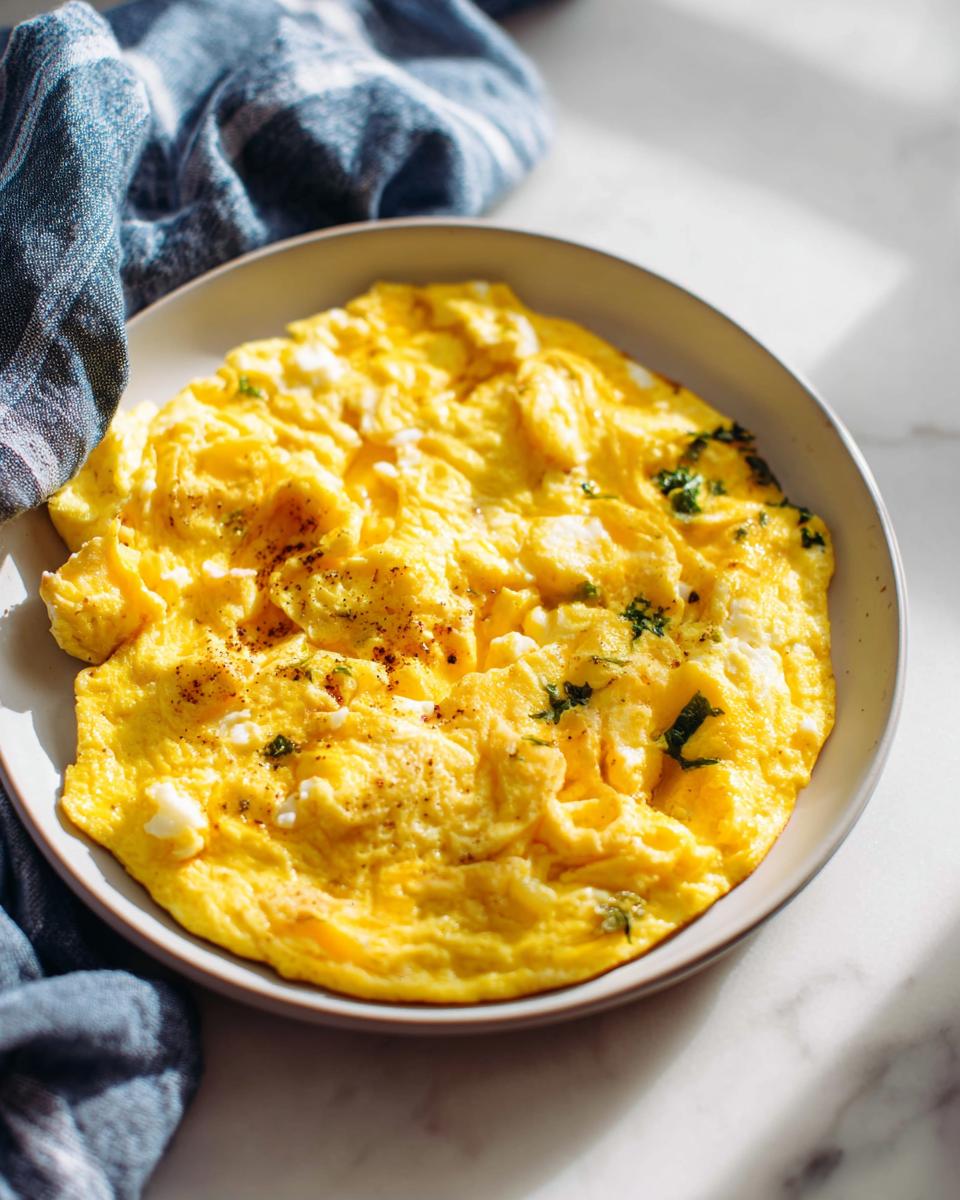
Okay, let’s talk about scrambled eggs. You know, those simple, humble things that can either be a culinary masterpiece or a rubbery disappointment? For years, I struggled with getting them just right – sometimes too dry, sometimes too watery. But trust me, after a whole lot of whisking and a few kitchen disasters (don’t ask!), I’ve finally landed on the method. This is it, folks: The Only Egg Recipes Recipe You’ll Need (2025) for scrambled eggs that are unbelievably creamy, perfectly fluffy, and just plain delicious. It’s my absolute go-to, whether I need a super quick breakfast or a surprisingly satisfying easy dinner.
Why This Is The Only Egg Recipes Recipe You’ll Need (2025)
Honestly, I used to think scrambled eggs were just… scrambled eggs. But once you nail down that perfect technique, it’s a game-changer! This recipe is my absolute champion because it’s just SO darn simple, yet delivers incredibly creamy, fluffy results every single time. Forget those dry, crumbly nightmares of the past! Whether you need a lightning-quick breakfast to get your day started or a satisfying easy dinner that the whole family will gobble up (seriously, it’s a lifesaver on busy weeknights!), this recipe has your back. It’s proof that you don’t need a ton of fancy ingredients or complicated steps to make something truly special. I’ve tinkered with so many variations over the years, trying to get that ideal texture and flavor, and this one? This is the one that finally clicked. It’s pure magic in a pan, and that’s why it’s earned its spot as The Only Egg Recipes Recipe You’ll Need (2025). It really is that quick and perfect for family meals! You can find even more delicious recipes on my site, or check out some inspiration from places like Love & Lemons.
Gather Your Ingredients for The Only Egg Recipes Recipe You’ll Need (2025)
Alright, let’s get down to brass tacks. You really don’t need much for truly spectacular scrambled eggs, which is part of why I love this recipe so much! First off, you’ll need 4 large eggs – and seriously, grab the freshest ones you can find. I swear, it makes a world of difference! If you can get them from a local farm or a trusted source, do it. Next up, about 2 tablespoons of milk, plant milk, or water. This little splash is my secret weapon for making them extra dreamy and soft. For my plant-based pals, I really lean towards an unsweetened almond milk because it won’t mess with the flavor. Then, you’ll need about 1 tablespoon of extra-virgin olive oil or butter for the pan – whatever you’ve got handy works, but butter adds a lovely richness! And of course, a pinch of salt (about 1/4 teaspoon) and a dash of black pepper (around 1/8 teaspoon) to make all those flavors sing. That’s it! Simple, right?

Ingredient Notes and Substitutions
So, about those eggs – the fresher they are, the higher the yolk sits and the less likely they are to break before you even get cooking. It really contributes to that gorgeous creamy texture! As for the liquid, water works perfectly fine if you don’t have milk on hand, and it keeps the eggs super light. If you do use plant milk, make sure it’s unsweetened, otherwise, you’ll get a weirdly sweet scramble. Butter gives a lovely depth of flavor, but good quality olive oil works like a charm too, especially if you’re looking for something a bit lighter or need to keep it dairy-free. This recipe is pretty forgiving, so don’t stress too much if you don’t have *exactly* what’s listed!
Step-by-Step Instructions for Perfect Scrambled Eggs
Okay, ready to cook? It’s super simple, but timing is key for that perfect creamy texture. First, grab your bowl with the whisked eggs, milk, salt, and pepper. Heat your non-stick skillet over medium-low heat with your chosen oil or butter. You want it warm, but not smoking hot – this is crucial for creamy eggs!

Once the pan is ready, pour in that beautiful egg mixture. Let it sit there for just about 30 seconds, no peeking! You’ll see the edges starting to set a little. Now, grab your spatula and gently push those cooked edges toward the center of the pan. Tilt the pan so that lovely liquid egg flows underneath. Keep doing this, those gentle pushes and tilts, until the eggs are mostly cooked but still look a little shiny and moist. Don’t try to stir them like crazy; think soft, gentle movements. The magic happens now: take the pan right off the heat. The residual warmth will finish the job, leaving you with the most perfect scrambled eggs imaginable. Serve them up right away!
Tips for The Only Egg Recipes Recipe You’ll Need (2025)
Here are my go-to tricks for making these scrambled eggs absolutely amazing every single time. First, always use medium-low heat – patience is your best friend here for ultra-creamy results. Second, and this is a biggie, pull them off the heat *just* before they look completely done. They’ll continue to cook from the residual heat, and this is the secret to avoiding dry eggs. Lastly, don’t be shy with the whisking before you even hit the pan! Getting air into those eggs beforehand really helps create that light, fluffy texture that makes this The Only Egg Recipes Recipe You’ll Need (2025). You can also check out these quick keto hacks for inspiration.
Equipment Needed for The Only Egg Recipes Recipe You’ll Need (2025)
You really don’t need a whole lot of fancy gadgets for these perfect scrambled eggs. The heroes of this operation? A reliable whisk to get those eggs nice and fluffy, and a good non-stick skillet to make sure nothing sticks and clean-up is a breeze. That’s honestly it! Having these two on hand makes whipping up The Only Egg Recipes Recipe You’ll Need (2025) super simple and totally stress-free.
Frequently Asked Questions About Scrambled Eggs
Can I make scrambled eggs ahead of time?
You know, I really don’t recommend it if you want that super creamy, fluffy texture. Scrambled eggs are best enjoyed right after they’re made! They tend to get a little dry and rubbery if you try to reheat them. But, if you absolutely have to, you can gently warm them in a non-stick skillet over very low heat with a tiny splash of milk or water. It’s not ideal, but it’s better than nothing in a pinch for a quick meal!
What is the best heat setting for scrambled eggs?
This is a HUGE secret to creamy scrambled eggs! You want to cook them over medium-low heat. Seriously, resist the urge to crank it up. High heat cooks the eggs too fast, making them tough and dry. Low and slow is the way to go for that custardy texture that makes this recipe so good. Trust me, it’s worth the little extra patience for a truly perfect scramble, especially for family meals.

How do I make scrambled eggs extra fluffy?
Fluffiness comes from a few things! First, make sure you whisk those eggs really well before they hit the pan – get some air in there! Using a little milk or water (like we do in this recipe) also helps create steam as they cook, making them lighter. And the biggest trick? Don’t overcook them! Pull them off the heat when they’re still a bit wet and glossy. The residual heat will do the rest, leaving you with beautifully fluffy eggs. It makes this easy dinner option even more satisfying!
Can I prep the egg mixture the night before?
You totally can! Whisk your eggs with the milk (or water), salt, and pepper the night before and pop them in an airtight container in the fridge. It saves you a minute or two in the morning rush. Just give them another quick whisk before pouring them into the heated pan. It’s a simple hack that makes enjoying The Only Egg Recipes Recipe You’ll Need (2025) even easier! If you’re interested in meal prep in general, you might find this guide helpful for planning.
Nutritional Information Disclaimer
Just a heads-up, any nutritional information you see for this recipe is an estimate. It can change depending on the exact ingredients, brands you use, and even how you whip them up! So, think of it as a helpful guide rather than a strict rule.
Share Your Perfect Scrambled Eggs!
I really hope you give this super simple scrambled egg recipe a try! I’d absolutely love to hear all about how yours turned out. Did they come out perfectly creamy? Pop a comment down below and let me know your experience, or maybe even rate the recipe! If you loved them, feel free to share your photos on social media too – seeing your creations always makes my day!

The Only Egg Recipes Recipe You’ll Need
Ingredients
Equipment
Method
- Crack the eggs into a bowl. Add the milk (or water), salt, and pepper. Whisk until well combined.
- Heat the olive oil or butter in a non-stick skillet over medium-low heat.
- Pour the egg mixture into the skillet. Let it cook undisturbed for about 30 seconds, until the edges begin to set.
- Gently push the cooked eggs from the edges toward the center with a spatula, tilting the pan to allow uncooked egg to flow underneath. Continue this process until the eggs are mostly set but still slightly moist.
- Remove the skillet from the heat. The residual heat will finish cooking the eggs. Serve immediately.
Notes
Tried this recipe?
Let us know how it was!
Master of Meal Planning Systems
My approach to meal planning comes from eight years as an Army quartermaster, coordinating food distribution for military bases housing thousands. I learned that feeding people successfully requires systematic thinking, resource optimization, and contingency planning that most home cooks never consider.
When my paramedic husband’s shift work collided with my demanding construction project management schedule, traditional dinner routines became impossible. Instead of surrendering to takeout chaos, I deployed the same strategic frameworks I’d used to feed entire battalions, scaling them down for busy families.
My signature “Battalion Batch System” transforms Sunday afternoons into precision operations. I’ve documented over 160 meal plans that account for variables most planners ignore: spoilage rates by seasonal humidity, backup ingredient lists for supply disruptions, and rotation schedules that prevent family palate fatigue.
My expertise extends to corporate wellness programs and school district consulting, designing scalable low-carb systems for large operations. When I’m not doing competitive target shooting or planning my garden’s crop rotation for maximum food security, I’m proving that meal planning isn’t about inspiration – it’s about infrastructure. Build reliable systems, and good nutrition becomes automatic rather than accidental.