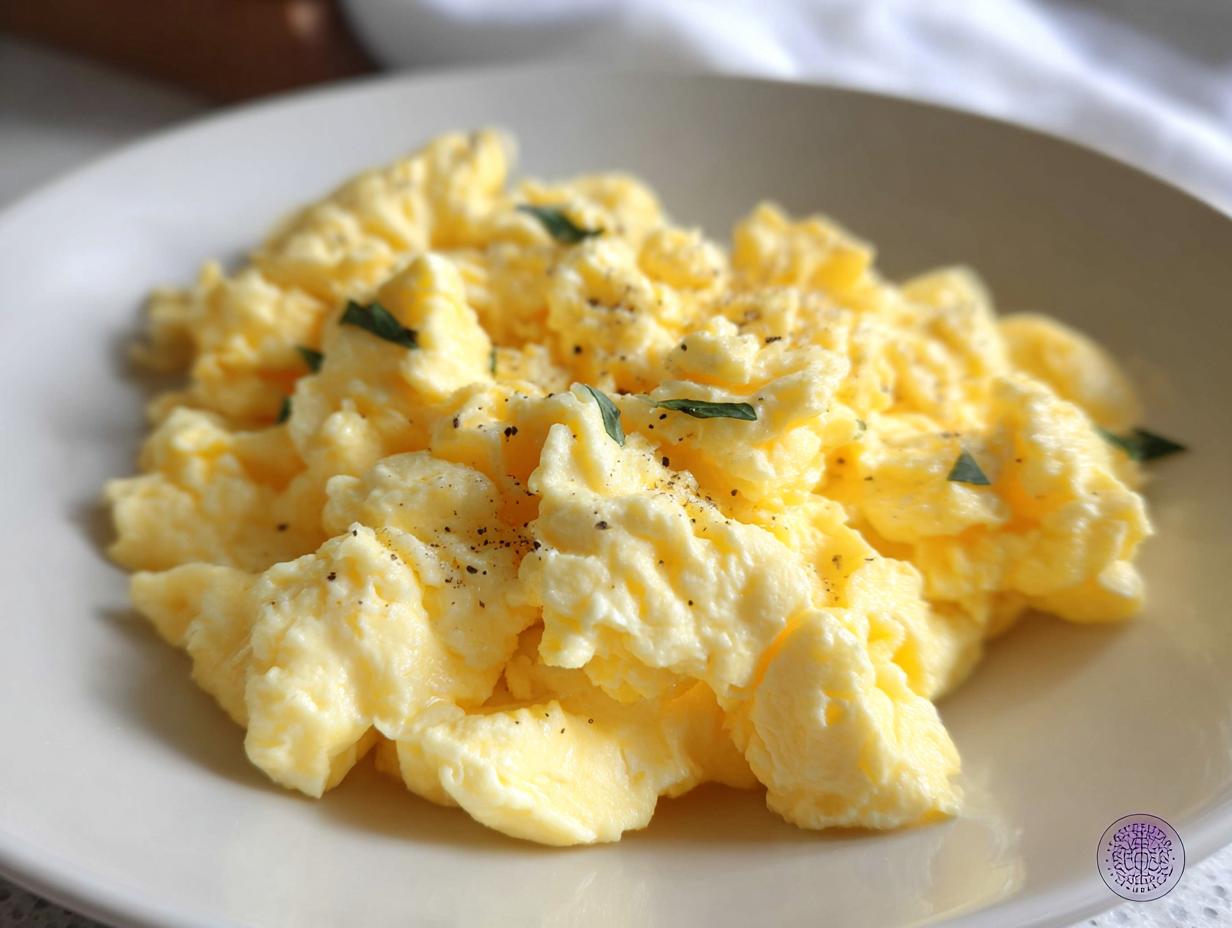
Eggs. They’re like the culinary equivalent of a blank canvas, aren’t they? So simple, yet they hold so much potential. And let’s be honest, who doesn’t want to nail those perfect scrambled eggs? It sounds so basic, but getting them just right – light, fluffy, creamy, and bursting with flavor – is a little bit of magic. I remember as a kid, my scrambled eggs were always rubbery bricks. It took me ages to figure out the little tweaks that make all the difference. That’s why I’m so excited to share how to make egg recipes like a pro, especially when it comes to those glorious scrambled eggs in 2025. This isn’t about fancy ingredients; it’s about simple, expert techniques that deliver delicious results every single time. Trust me, once you master this, you’ll wonder how you ever lived without it!
Why You’ll Love This Scrambled Egg Recipe
Get ready to fall in love with scrambled eggs all over again! Here’s why this recipe is a total game-changer:
- Super Speedy: Perfect for those rushed mornings or when you need a quick dinner.
- Effortlessly Easy: Seriously, you’ll be a pro in no time.
- Incredible Flavor: Creamy, rich, and oh-so-satisfying.
- Versatile Meal: Fantastic for breakfast, brunch, and even a light, easy dinner.
Gather Your Ingredients for How to Make Egg Recipes Like a Pro
Okay, let’s get our superstar ingredients ready! For the most amazing scrambled eggs, you’ll want:
- 4 large eggs
- 1/4 cup half-n-half (this is my secret for extra creaminess!)
- 1/4 teaspoon coarse salt
- 1 tablespoon unsalted butter
- Black pepper, for serving (totally optional, but I love it!)
- Fresh chopped herbs, like chives or parsley, for serving (also optional, but makes them look fancy!)
That’s it! Simple, right? Having everything measured out makes the cooking process a breeze.
Essential Equipment for Perfect Egg Recipes
You don’t need a whole fancy kitchen for this! Just a few simple things will do the trick:
A medium mixing bowl, a small nonstick pan (this is key to prevent sticking!), and a trusty rubber spatula for coaxing those eggs into fluffy perfection.
Step-by-Step Guide: How to Make Egg Recipes Like a Pro
Alright, let’s get down to the good stuff – making those scrambled eggs! This is where the magic really happens. This section on how to make egg recipes is all about mastering the simple things. We’re going to make them light, foamy, and oh-so-creamy. Don’t worry if you’ve had sad, rubbery eggs before; we’re doing this the *right* way now.
First things first, grab your medium mixing bowl. We want to whisk those 4 large eggs with the half-n-half and that pinch of coarse salt. Whisk it up really well until everything looks completely blended and it’s nice and foamy. Seriously, give it a good go! That foamy stage is when you know you’re on the right track for light and airy eggs.
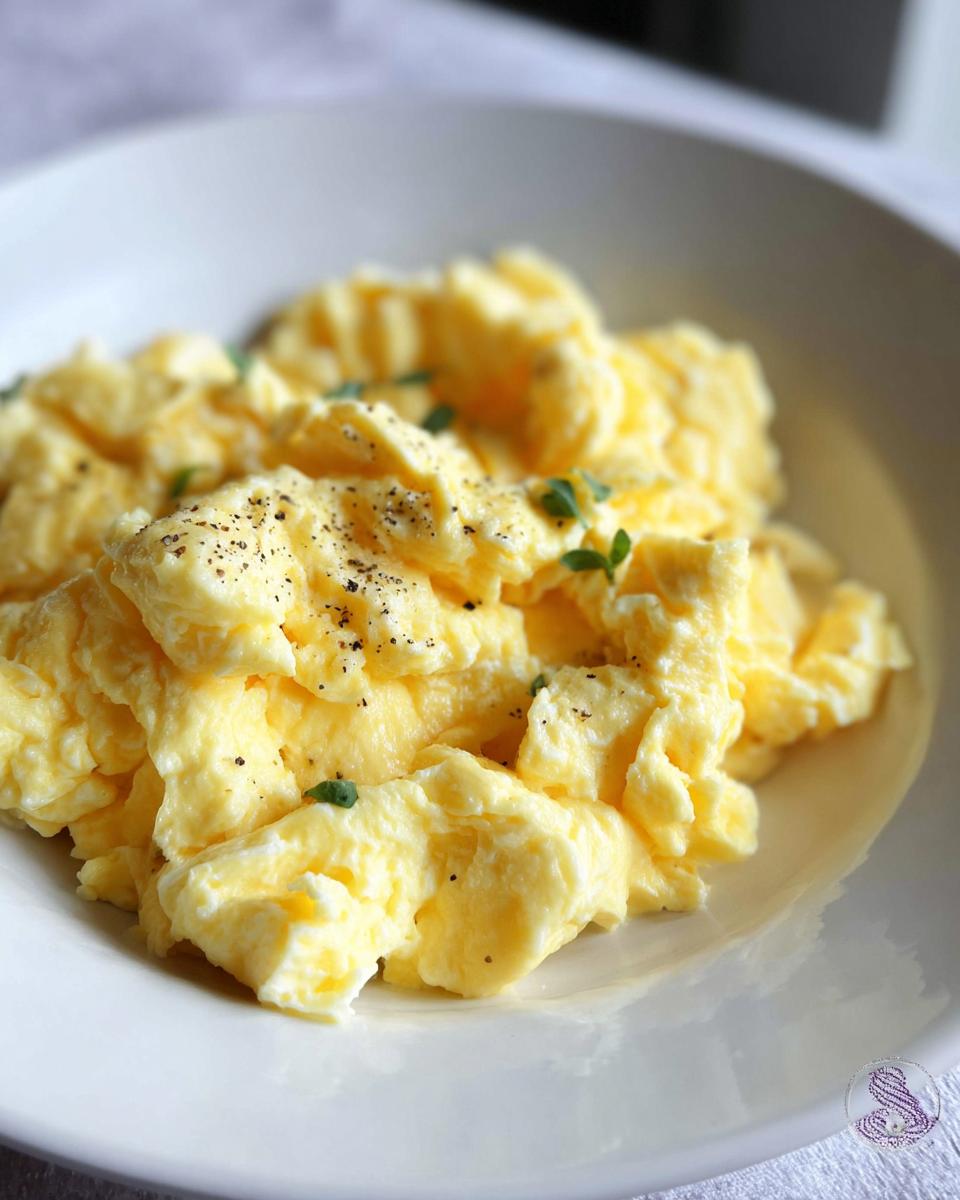
Next, pop your small nonstick pan on the stove over medium heat. Add that tablespoon of unsalted butter. Let it melt and just start to foam. You’ll see it coat the bottom of the pan beautifully.
Now, pour those lovely whisked eggs right into the center of the hot pan. But here’s the crucial part: immediately turn the heat down to medium-low. No going back now!
You’ll see the edges start to gently set. This is your cue! Grab your rubber spatula and gently push the cooked egg from one side of the pan towards the other. Let the uncooked egg flow into the space you just made. Keep doing this, pausing between your pushes to let things cook up a bit. You’re forming lovely, soft curds this way, not scrambling them into oblivion.

When the eggs are ALMOST done – they should still look a little wet and shimmering. It’s time to bring them all together. Just fold them over on themselves a couple of times. This finishes the cooking really gently.
The absolute *key* moment: take the pan off the heat when they still look super moist. They’ll continue to cook a tiny bit in the residual heat, so you don’t want to overdo it. Yep, they should still look a little glossy!
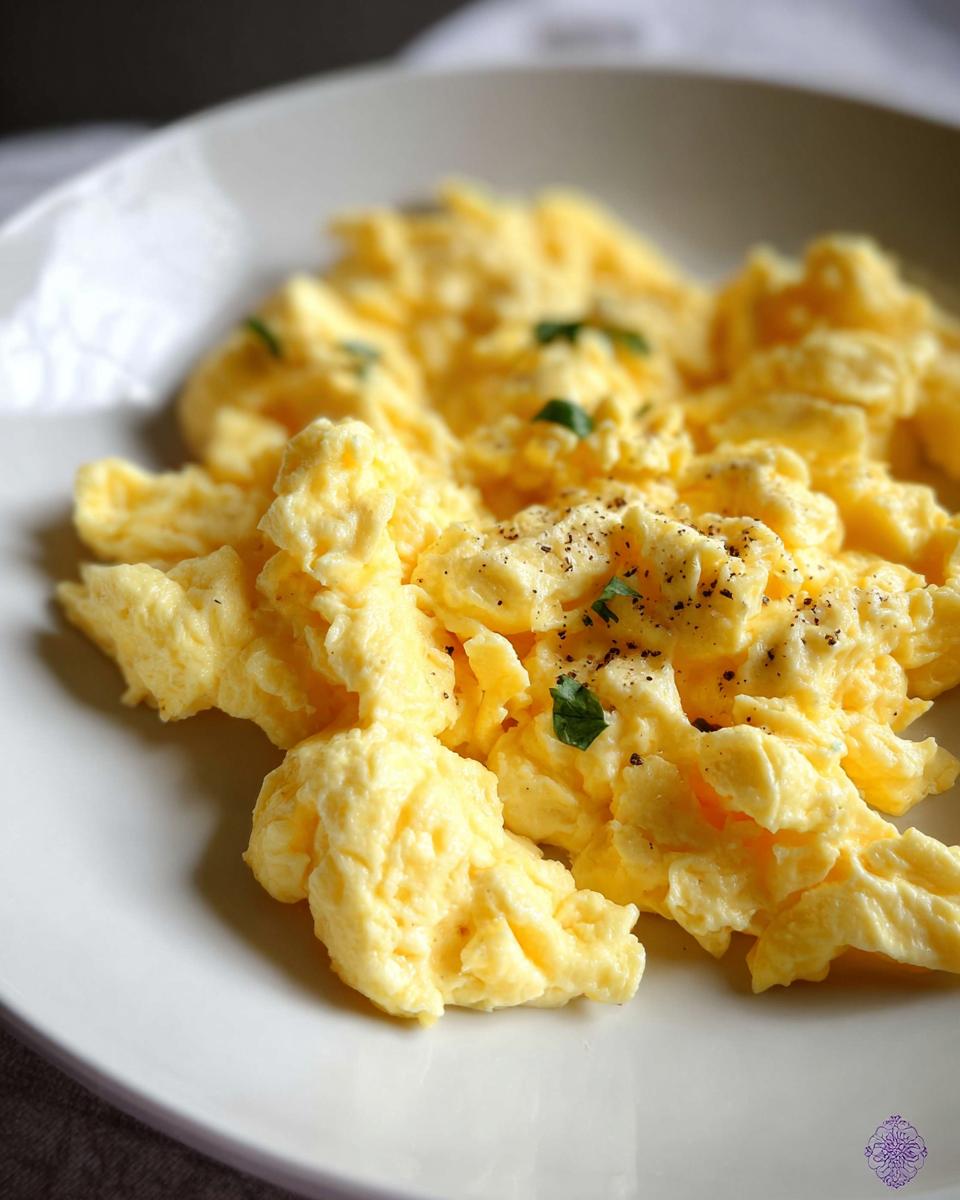
Slide those gorgeous, fluffy eggs onto your serving plates. A little grind of black pepper and a sprinkle of fresh herbs if you’re feeling fancy, and boom! You’ve just made scrambled eggs like a pro. Check out these other tips for even more ideas!
Pro Tips for Mastering Egg Recipes
Okay, so you’ve got the basic steps down for making amazing scrambled eggs. But if you really want to take them from ‘good’ to ‘OMG, I need more!’ consider these little tricks. Getting these right when you’re figuring out how to make egg recipes like a pro really makes a difference.
First off, heat control is EVERYTHING. Seriously, that medium-low heat we talked about? It’s your best friend. Too high and you get those sad, dry curds. Keep it gentle, and you’ll get that lovely creamy texture. Also, don’t over-whisk! You want it foamy, yes, but you don’t need to beat it into oblivion. Just until it’s bubbly and light.
Ingredient Notes and Substitutions for Egg Recipes
Let’s chat about these ingredients for a second. That half-n-half? It’s my go-to for super creamy eggs without making them too heavy. If you don’t have it, you can totally use whole milk, or even a splash of heavy cream if you’re feeling fancy! Just remember it might change the texture a little. For salt, I love coarse kosher salt because it has a great texture and flavor, but regular table salt works just fine too – maybe just use a smidge less. And butter or no butter? Always butter, in my opinion! It adds such a lovely richness.
Serving Suggestions for Your Egg Recipes
These amazing scrambled eggs aren’t just for breakfast! They’re a total lifesaver for a quick and easy dinner too. Serve them up with some toast and maybe a side of avocado for a super simple family meal. Or, load them onto a breakfast burrito for a fun brunch! Seriously, they work for almost any meal. For more quick ideas, check out these low-carb meal prep ideas.
Frequently Asked Questions About Egg Recipes
Got questions about scrambling eggs like a pro? You’re not alone! Here are a few things folks often ask:
Can I make scrambled eggs ahead of time?
Honestly, scrambled eggs are best eaten fresh. They tend to get a little watery and lose that lovely fluffy texture if they sit around too long. For an easy dinner or family meal, it’s really just a few minutes to whip up a fresh batch, so I always recommend making them right before you plan to eat them!
What is the best heat level for scrambled eggs?
This is a big one! You want a gentle heat, so medium-low is your sweet spot. Too high, and you’ll end up with dry, rubbery eggs really fast. Low and slow is the way to go for that creamy, custardy texture we’re aiming for. It gives you way more control, which is essential when you’re learning how to make egg recipes.
How do I make my scrambled eggs fluffier?
There are a couple of tricks! First, whisking the eggs really well with your liquid (like the half-n-half) until they’re light and foamy before they even hit the pan adds air. Second, don’t overcrowd the pan, and remember to gently push and fold them rather than stirring them constantly. Letting them just sit for a moment between pushes helps create those fluffy curds. And always, always take them off the heat when they still look a little wet – they’ll finish cooking in the pan!

Storage and Reheating for Your Egg Recipes
So, what about those delicious scrambled eggs if you happen to have any leftovers? Because honestly, sometimes I make a little extra just in case! The best way to store them is in an airtight container in the fridge. They’ll stay good for about a day, maybe two if you’re lucky.
When it comes to reheating, the microwave is your friend here, but be gentle! Give them a quick stir, heat for about 30 seconds, check, and then do short bursts until they’re just warm. You can also try reheating them very gently in a nonstick pan over low heat – add a tiny splash of milk or water if they seem dry. The key is low heat and not overcooking them, or you’ll end up right back where we started with those rubbery eggs!
Nutritional Information Estimate
Just so you know, these estimates are based on general ingredient information. Your exact calories, protein, fat, and carb counts might shift around a bit depending on the specific brands you use and how perfectly you follow the recipe (you totally will, though!). For our 4-egg scramble, here’s a ballpark figure per serving: around 250-300 calories, offering about 15-20g of protein, and a good dose of healthy fats. For more detailed low-carb planning, check out this guide!
Share Your Egg Recipe Success!
Did you try my scrambled eggs? I really hope you loved them as much as I do! Share your results in the comments below, or give the recipe a star rating – I’d be thrilled to know how they turned out for you! Got any other egg recipe questions? Feel free to ask away, and I’ll do my best to help you become an egg master! You can also reach out on my contact page.

How to Make Scrambled Eggs Like a Pro
Ingredients
Equipment
Method
- In a medium mixing bowl, whisk together the eggs, half-n-half, and salt until the mixture is uniform in color and texture, and is light and foamy.
- Melt the butter in a small nonstick pan over medium heat, until the butter coats the pan and just starts to foam.
- Add the eggs to the center of the pan and immediately reduce the heat to medium-low.
- Wait for the edges to start to set, then using a rubber spatula, gently push the eggs from one end of the pan to the other. Continue this process, pausing in between swipes to allow the uncooked egg to settle and cook, gently pushing the liquid to form the curds.
- When the eggs are mostly cooked but still look wet, fold the eggs into itself a couple times, bringing them together.
- Remove from the heat when the eggs still shimmer with some moisture.
- Transfer to serving plates. Finish with pepper and herbs.
Notes
Tried this recipe?
Let us know how it was!
Certified Therapeutic Nutrition Specialist
My journey into medical low-carb nutrition began when my four-year-old daughter was diagnosed with epilepsy. When neurologists recommended the Modified Atkins Diet as seizure management, I found myself in uncharted territory where recipe failures could literally trigger neurological episodes.
As a registered nurse with pediatric experience, I had the clinical knowledge but needed to learn how to translate medical protocols into family-friendly meals. I spent three years documenting every successful adaptation and breakthrough that made medical nutrition feel less like punishment and more like nourishment for our family’s unique needs.
I’ve developed over 190 medically-compliant recipes, each tagged with precise macro calculations and detailed notes about which health conditions benefit most. My collaboration with pediatric neurologists at Children’s Hospital of Philadelphia resulted in the first comprehensive cookbook for families managing childhood epilepsy through diet – work that’s now used by three major children’s hospitals.
When I’m not reading medical journals or practicing violin for stress relief, I’m advocating for insurance coverage of medical foods and helping school districts accommodate students on prescribed ketogenic protocols. Medical nutrition isn’t about perfection – it’s about precision applied with compassion.